

Sunday
23 August 2026
Executive Humanitarian Programme
OPENING REMARKS AND OUTLINE OF THE PROGRAMME
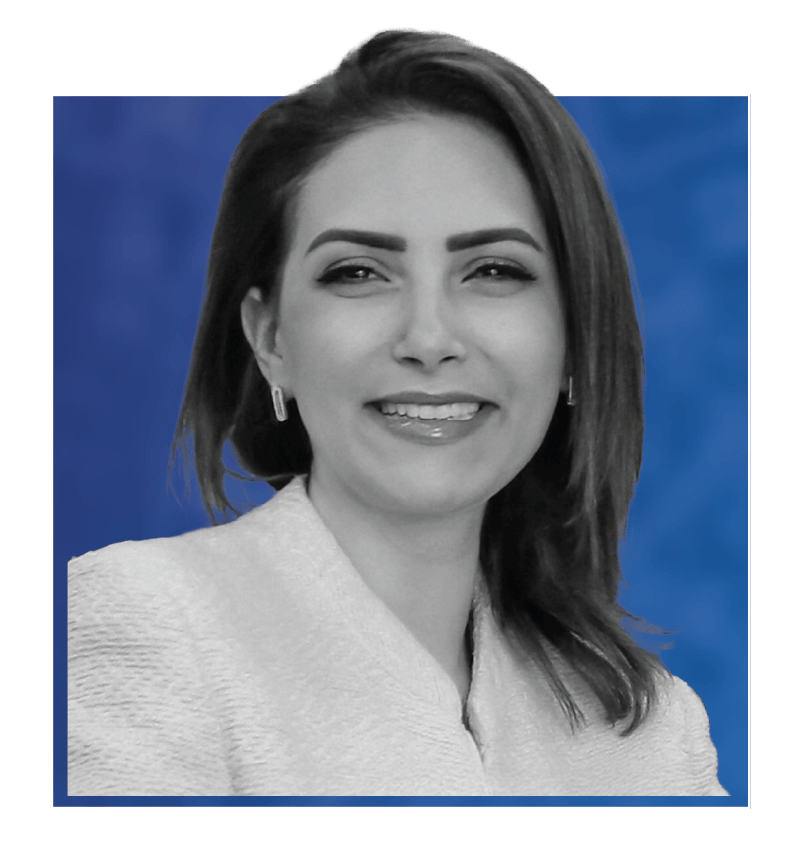
Ms. Sajeda Shawa
Head of United Nations Office for the Coordination of Humanitarian Affairs (UN OCHA) Office in the UAE
Sajeda Shawa is a seasoned humanitarian leader with 20 years of experience in international humanitarian affairs, known for her unwavering commitment to crisis response, donor engagement, strategic partnerships and humanitarian diplomacy. A passionate Arab female advocate for communities affected by conflict, she brings deep regional expertise and a results-driven approach to mobilizing resources and amplifying impact across the humanitarian-development nexus. In February 2023, Ms. Shawa was appointed Head of the OCHA Office in the United Arab Emirates. In this capacity, she is responsible for strengthening humanitarian coordination, advancing humanitarian diplomacy, and integrating climate action and gender-responsive approaches—particularly the empowerment of women in humanitarian settings—into emergency response efforts. She also focuses on supporting national policies that elevate the role of innovation, technology, and artificial intelligence to better serve communities in need during humanitarian crises. Additionally, Ms. Shawa serves as a Board Member of the Dubai International Scientific Advisory Board (DISAB), which supports the Dubai International Humanitarian Aid and Development Conference (DIHAD) as well as an Advisory board member in the public policy school at the university of Sharjah, reinforcing her leadership in high-level humanitarian policy dialogue and strategic partnerships within the region and beyond. Prior to her current role, Ms. Shawa played a pivotal role in the Syria Crisis response at OCHA’s Regional Office, where she led donor relations and resource mobilization efforts. She served concurrently as Special Advisor to the UN Assistant Secretary-General and Regional Humanitarian Coordinator for the Syria Crisis, providing strategic counsel on donor engagement, advocacy, and regional humanitarian outreach. Before joining the United Nations, Ms. Shawa worked with the European Commission’s Directorate-General for European Civil Protection and Humanitarian Aid Operations (ECHO), where she managed field operations and humanitarian programs in Iraq, Egypt, Libya, Jordan, and Syria. She later spearheaded ECHO’s humanitarian outreach strategy to the Gulf Cooperation Council countries, strengthening engagement with key actors in Saudi Arabia, the UAE, Kuwait, and Qatar. Earlier in her career, she contributed to USAID programs focused on humanitarian and development coordination with a specific focus on private sector engagement. Beyond her official roles, Ms. Shawa is an active voice for women’s empowerment and social impact. She is a certified Board Director (IFC, 2022) and was featured among 45 Arab women role models in Empowering Through Healthy Living – Jordan 2020. She serves on the board of the International Federation of Business and Professional Women (BPW) and is a member of its Human Rights Committee. Additionally, she contributes as a mentor to several leadership and youth development initiatives, including the Global Thinkers Forum’s Athena Mentorship Program and BPW Jordan’s HIKMA Power Meetups. Ms. Shawa is a graduate of Harvard Kennedy School’s Executive Education Program, with specializations in Public Leadership, Leadership and Character in Uncertain Times, and Leadership through Storytelling and Action. She holds a Master’s degree in International Studies, with a focus on humanitarian landscape in the Gulf region post-Arab Spring, and a Bachelor’s degree in English Language and Literature. A proud mother of teenagers, she is deeply committed to empowering youth and advancing global citizenship.
Sessions by this speaker
Sunday, 2026-08-23
OPENING REMARKS AND OUTLINE OF THE PROGRAMME
09:00 – 09:10
Sunday, 2026-08-23
CLOSING AND CERTIFICATE DISTRIBUTION
16:00 – 16:30
Sunday, 2026-08-23
“The Role of Humanitarian Diplomacy in a Changing Landscape: Navigating the Humanitarian Reset”
14:00 – 15:00
Lectures by this speaker
Sunday, 2026-08-23
Opening Session
09:00 – 09:10
Sunday, 2026-08-23
Closing Ceremony and Certificates Distribution
17:00 – 17:15
Sunday, 2026-08-23
Opening Remarks and Outline of the programme
09:00 – 09:10
Sunday, 2026-08-23
“The Role of Humanitarian Diplomacy in a Changing Landscape: Navigating the Humanitarian Reset”
14:00 – 15:00
Sunday, 2026-08-23
Closing and Certificate Distribution
16:00 – 16:30
Sunday, 2026-08-23
OPENING REMARKS AND OUTLINE OF THE PROGRAMME
09:00 – 09:15
Sunday, 2026-08-23
CLOSING AND CERTIFICATE DISTRIBUTION
16:30 – 17:00
09:00 – 09:15
WELCOME REMARKS
Eng. Khaled Al Attar | Director-General, DIHAD Sustainable Organisation | United Arab Emirates
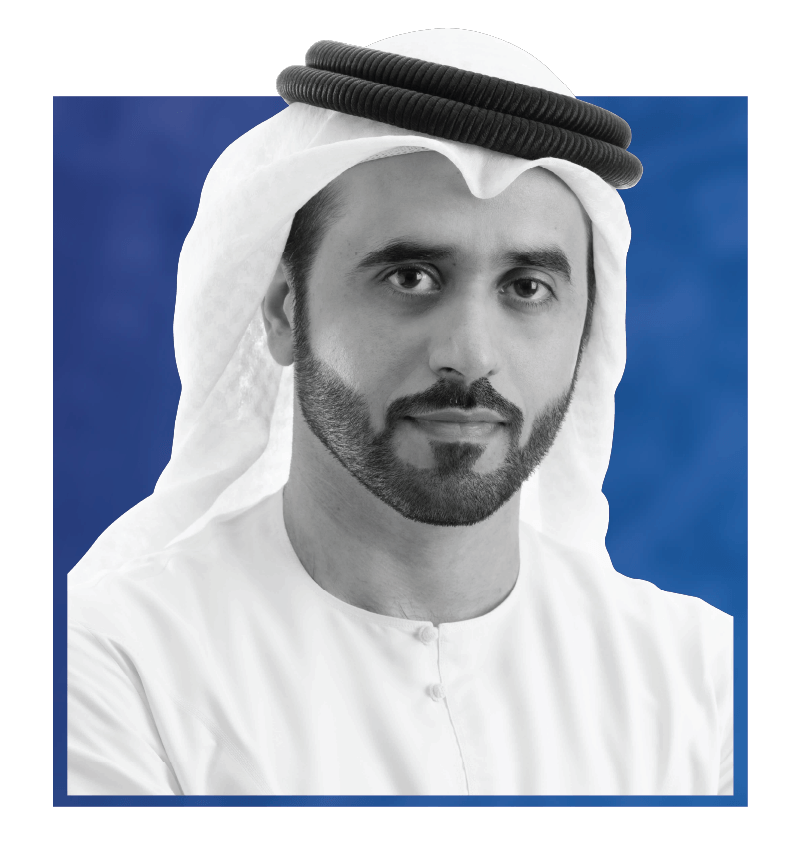
Eng. Khaled Al Attar
Director-General, DIHAD Sustainable Organisation
Eng. Khaled Al Attar is the Director General of the DIHAD Sustainable Humanitarian Organisation, where he leads strategic initiatives across humanitarian action, education, and sustainable development. His portfolio includes the Dubai International Humanitarian Aid and Development Conference and Exhibition (DIHAD), a global platform bringing together governments, United Nations agencies, international organisations, NGOs, academia, and the private sector to advance humanitarian dialogue, partnerships, and action. He played a pivotal role in the development of the DIHAD Humanitarian College and the establishment of its first international Master’s in Sustainable Humanitarian Action, contributing to the advancement of humanitarian education and the development of future leaders in the sector. As Director General of the Abdulsalam AlMadani Global Education Centre (AGEC), Eng. Al Attar also leads initiatives focused on education, innovation, entrepreneurship, and future-focused learning, creating platforms that strengthen individual and institutional capabilities and translate knowledge into meaningful impact. With more than two decades of experience spanning humanitarian action, education, leadership, and international development, Eng. Al Attar has contributed to initiatives that strengthen global cooperation, build institutional capacity, and foster sustainable solutions. His work is driven by a commitment to connecting knowledge, leadership, and partnerships with action to create lasting impact for communities and future generations.
Lectures by this speaker
Sunday, 2026-08-23
WELCOME REMARKS
09:15 – 09:30
09:15 – 09:30
KEYNOTE ADDRESS
H.E. Tarek Mneymneh | Ambassador of Lebanon to the UAE | United Arab Emirates
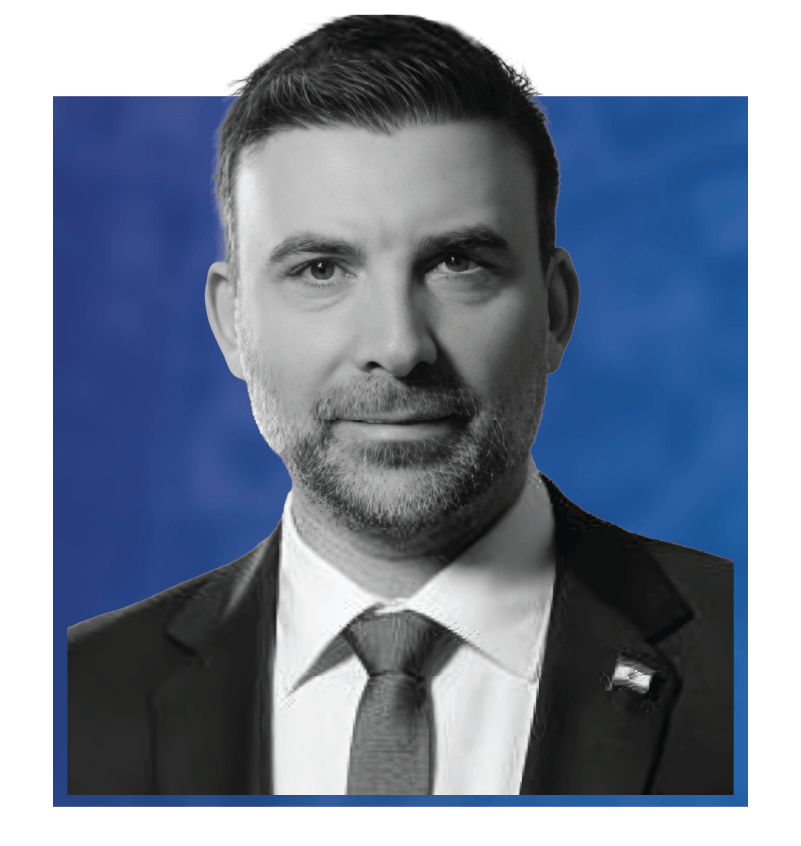
H.E. Tarek Mneymneh
Ambassador of Lebanon to the UAE
Head of Legal with over 20 years of experience in corporate, commercial, and infrastructure law across the Middle East, Africa, and East Asia. Proven track record of leading multinational legal teams of 25+ lawyers, managing high-value negotiations, and advising on contracts worth 100M USD in the telecommunications and infrastructure sectors. Recognized for developing innovative legal strategies that promote peaceful dispute resolution, streamline commercial negotiations, and enhance organizational efficiency. Over the course of his career—including more than a decade in the Gulf region— Tarek has managed complex legal affairs for multinational corporations across multiple jurisdictions. His extensive experience spans both public and private sectors, with expertise in contract negotiation, commercial agreements, arbitration, and dispute resolution. He has played a central role in numerous mediation proceedings and settlement agreements, ensuring favourable outcomes for all parties involved. He is also credited with designing and implementing innovative legal policies that integrate legal and executive functions within organizations, improving governance, operational efficiency, and transparency.
Sessions by this speaker
Sunday, 2026-08-23
KEYNOTE ADDRESS
09:30 – 09:45
Lectures by this speaker
Sunday, 2026-08-23
Keynote Address
09:30 – 09:45
Sunday, 2026-08-23
Keynote Address
09:30 – 09:45
Sunday, 2026-08-23
KEYNOTE ADDRESS
09:30 – 09:45
09:30 – 09:45
“Setting the Tone: Living in an Era of Misinformation – How Political, Humanitarian, and Economic Agendas Interact”
Ms. Maya Hojiej | Senior Business Anchor – CNN Business Arabic | United Arab Emirates
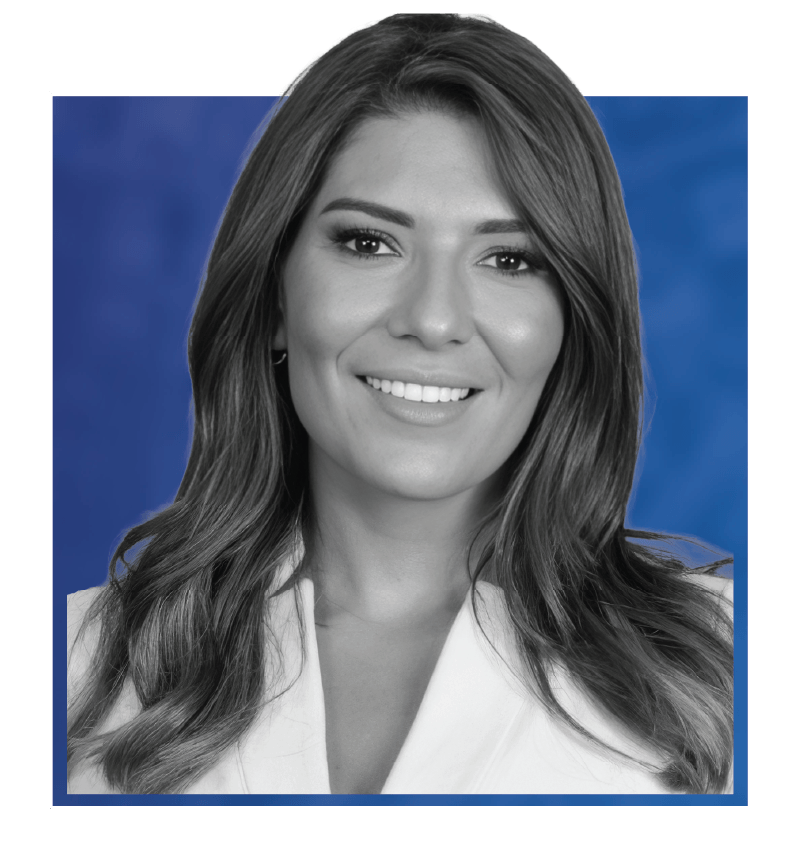
Ms. Maya Hojiej
Senior Business Anchor – CNN Business Arabic
With more than two decades of expertise in media and communications, she has built a distinguished career working with leading international and regional news channels and contributing to major global events that support and empower the Middle East’s business community. From the World Government Summit to the Women in Leadership Forum, she has taken the stage as a moderator and Master of Ceremonies at high-level gatherings attended by senior government officials and C-suite executives from leading global corporations. She currently serves as a Senior Business News Presenter at Asharq News Services. Throughout her career in media, she has also held prominent roles as a Senior News Presenter and Chief Editor at Dubai TV, in addition to contributing to other leading media organizations, including Al Arabiya TV.
Lectures by this speaker
Sunday, 2026-08-23
“Setting the Tone: Living in an Era of Misinformation – How Political, Humanitarian, and Economic Agendas Interact”
09:45 – 10:15
09:45 – 10:15
Coffee Break and Networking
10:15 – 10:30
“Technology, Data & the Future of Humanitarian Action”
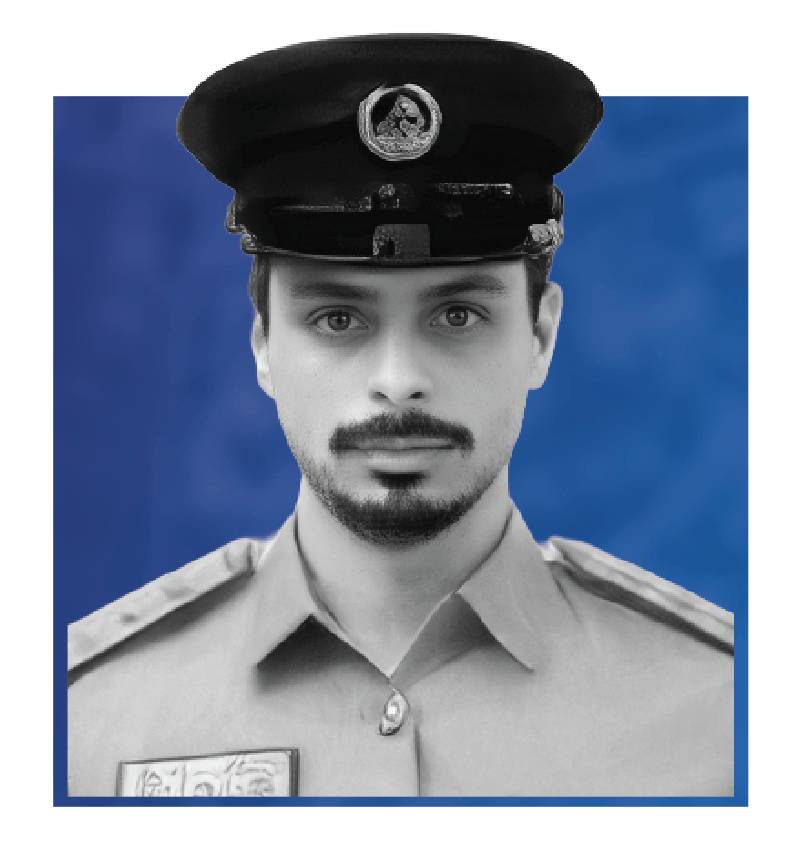
Major H.E. Mohammed Omar Almuhairi
Head of Unmanned Aerial Systems Center – General Department of Operations, Dubai Police.
Major Engineer Mohammed Omar Al Muhairi, Director of the Drone Systems Center at the General Department of Operations, Dubai Police, and a specialist in Artificial Intelligence Engineering. He has extensive experience in the development and deployment of drones, intelligent systems, and autonomous technologies in the security sector. He leads drone operations and counter-drone systems across the Emirate of Dubai. He has also contributed to the development of the “Drone Box” system, which supports rapid response to incidents and emergencies while enhancing the efficiency of police operations, security, and public safety. Major Al Muhairi is recognized as a specialist in drone technologies, artificial intelligence, and their applications in future policing.
Lectures by this speaker
Sunday, 2026-08-23
“Technology, Data & the Future of Humanitarian Action”
10:30 – 11:15
10:30 – 11:15
“The UAE’s Humanitarian Assistance – Chivalrous Knight Operations in Gaza” + Q&A
Mr. Mohammed AlShareef | Spokesperson for Operation Chivalrous Knight 3 | United Arab Emirates

Mr. Mohammed AlShareef
Spokesperson for Operation Chivalrous Knight 3
Mohammed Saleh Al-Sharif is a distinguished national figure and specialist in managing and coordinating international humanitarian and relief work. He holds a Master’s degree in International Relations from Abu Dhabi University (2020) and is currently a PhD candidate in Risk and Crisis Management at Cairo University. His name has become closely associated with media and field oversight of urgent humanitarian, medical, and food aid delivery to countries affected by disasters and crises around the world. As the official spokesperson for Operation Chivalrous Knight 3, his leadership role reflects an unwavering commitment to noble humanitarian values and stands as a living embodiment of the message of giving and international solidarity in times of emergency to relieve stricken communities.
Sessions by this speaker
Sunday, 2026-08-23
“Operationalizing Gender Perspectives in Humanitarian Response”
11:30 – 12:00
Lectures by this speaker
Sunday, 2026-08-23
“The UAE’s Chivalrous Knight Operations in Gaza”
12:00 – 12:30
Sunday, 2026-08-23
“The UAE’s Humanitarian Assistance – Chivalrous Knight Operations in Gaza” + Q&A
11:15 – 12:15
11:15 – 12:15
Coffee Break and Networking
12:15 – 12:30
“Beyond Traditional Actors: Building New Humanitarian Partnerships”
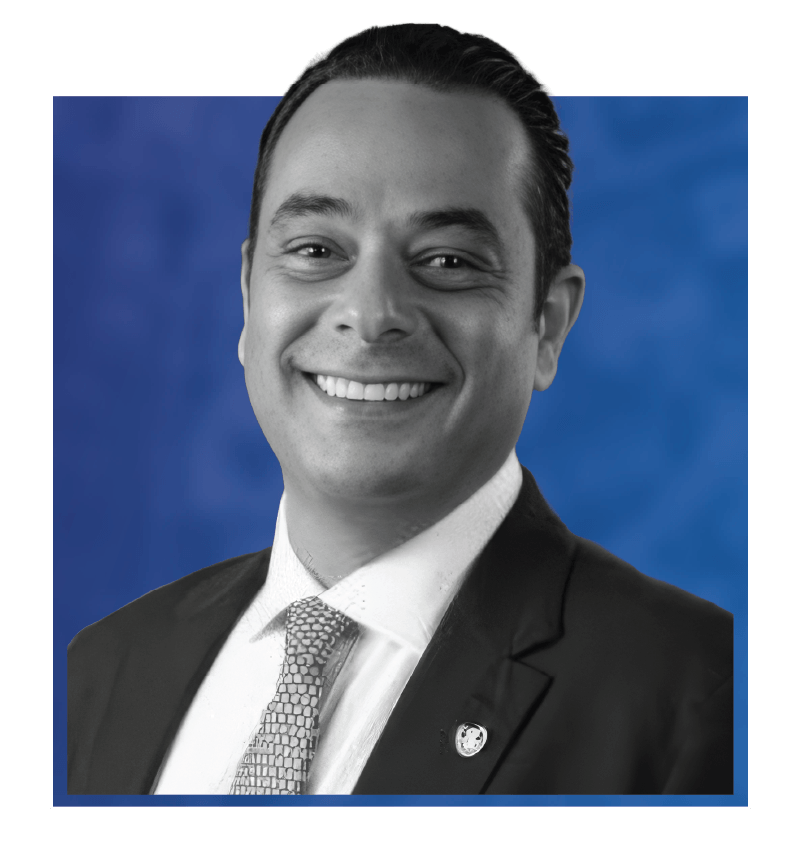
Mr. Samer AbdelJaber
United Nations World Food Programme (WFP) Regional Director for the Middle East and Northern Africa and Eastern Europe
Samer AbdelJaber is the World Food Programme’s (WFP) Regional Director for the Middle East, Northern Africa and Eastern Europe, a role he has held since June 2025. Mr. AbdelJaber facilitates coordination and dissemination of strategic guidance to Coun- try Offices across the region, strengthening operational effectiveness and performance. Mr. AbdelJaber represents the WFP in engagement with key stakeholders across the region to enhance strategic partnerships, resource mobilization efforts and inter-agency coordination to advance WFP’s mission in the region.A Jordanian national, Samer brings over two decades of humanitarian and development leadership across the region and beyond. Prior to his current appointment, he served as Director of the Office of the Deputy Executive Director and as WFP’s Director of Emergencies in the Office of the Deputy Executive Director and Chief Operating Officer at WFP Headquarters. In this role, he played a central part in shaping the organization’s global emergency preparedness and response architecture.
Sessions by this speaker
Sunday, 2026-08-23
Session 1
10:00 – 11:00
Lectures by this speaker
Sunday, 2026-08-23
“Beyond Traditional Actors: Building New Humanitarian Partnerships”
10:00 – 11:00
Sunday, 2026-08-23
“Beyond Traditional Actors: Building New Humanitarian Partnerships”
12:30 – 13:30
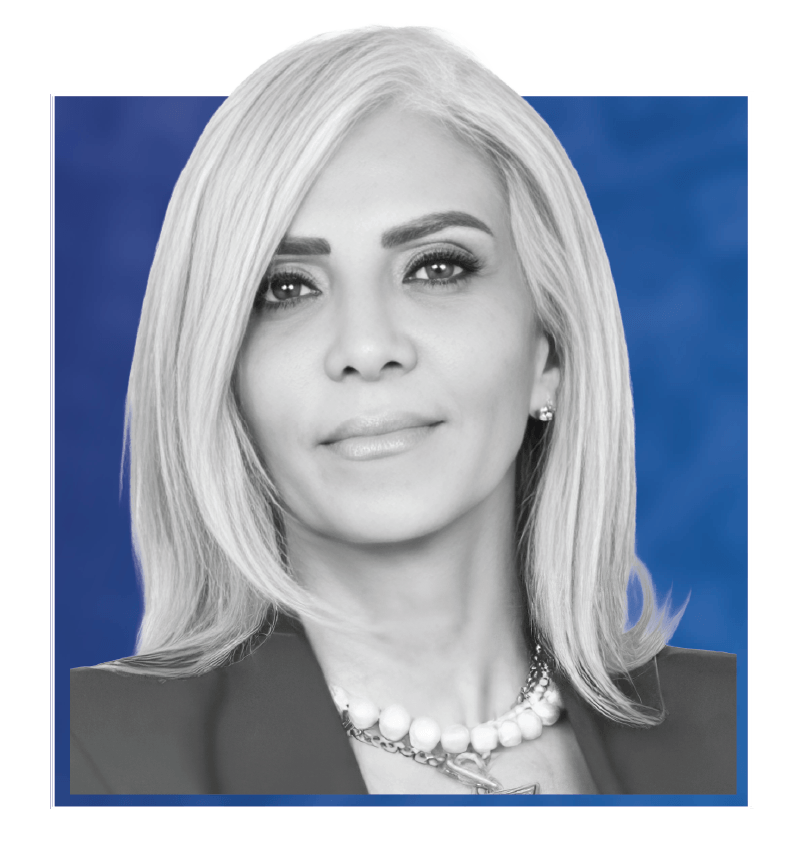
Ms. Shaden khallaf
Senior Executive, Public Policy, Government Affairs, Social Impact, and Communications
Shaden Khallaf is an international executive with over 20 years of experience at the intersection of public policy, emerging technology, and humanitarian diplomacy. She most recently served as the Senior Regional Director for Public Policy, Government Affairs, Social Impact, and Communications at Careem Technologies (Uber), where she navigated complex regulatory landscapes to drive digital inclusion and socio-economic growth across the Middle East and North Africa. Throughout her career at the United Nations, experience in academia, and dive into the world of Big Tech at Meta, Shaden has become an authoritative voice for inclusive policy design and innovation. She has successfully brokered high-stakes partnerships with heads of state, ministers, and international bodies like the World Food Programme and UN Tourism. Seeking to advance the architecture of the digital future of the MENA region, Shaden’s work is defined by a unique ability to translate corporate scale into measurable socioeconomic and developmental impact, while safeguarding business goals and growth.
Lectures by this speaker
Sunday, 2026-08-23
“Beyond Traditional Actors: Building New Humanitarian Partnerships”
12:30 – 13:30
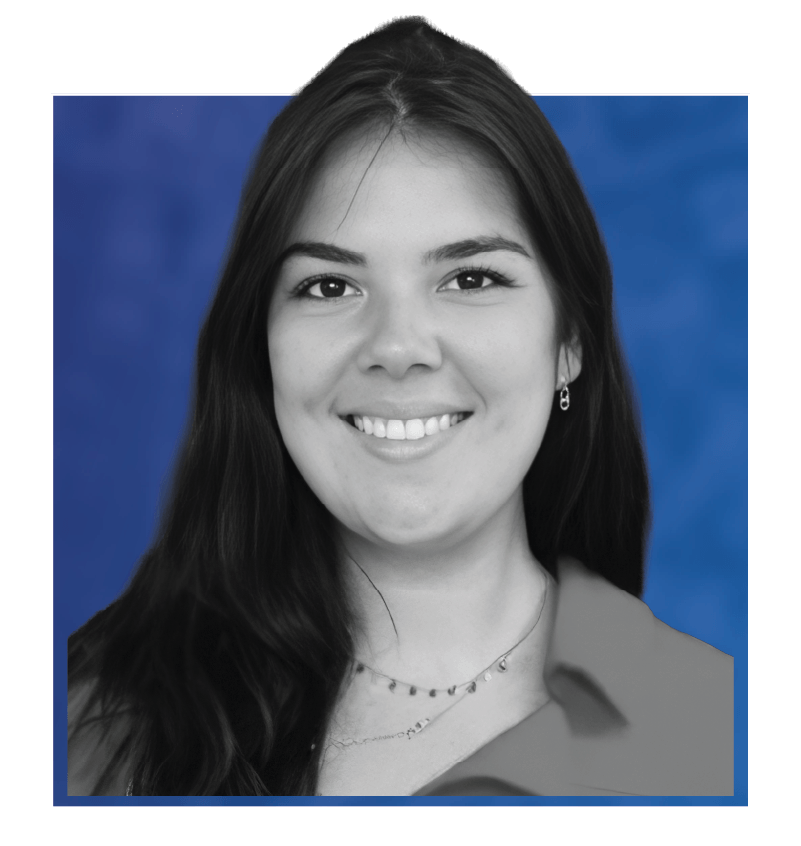
Ms. Adèle Guidot
The Deputy Executive Director of Global Compact Network UAE
Adèle Guidot is the Deputy Executive Director at the United Nations Global Compact Network in the UAE. In her current role, she supports the Network’s strategic development and operations and manages and develops its climate and social portfolio to scale up corporate target setting in line with government priorities, the Sustainable Development Goals (SDGs), and the UN Global Compact’s Ten Principles on human rights, environment, labour, and anti-corruption. She holds a Master of Science in International Development from the University of Edinburgh and a Bachelor of Arts in Geography from Paris Sorbonne University.
Lectures by this speaker
Sunday, 2026-08-23
“Beyond Traditional Actors: Building New Humanitarian Partnerships”
12:30 – 13:30
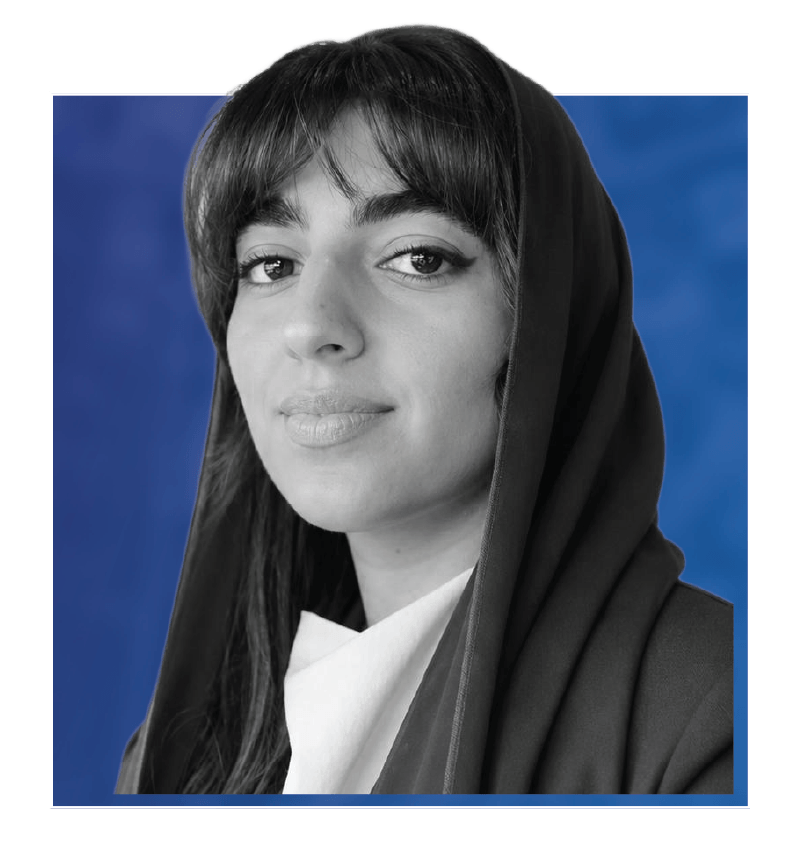
Mr. Noor Bukhammas
DIHAD College Student, Strategic Liaison Officer at the United Nations World Food Programme (WFP) – Moderator
Noor Bukhammas is a young humanitarian with a deep interest in the intersection of international development, politics, and history. She currently serves as a Strategic Liaison Officer at the World Food Programme’s (WFP) GCC Global Office, where she focuses on nurturing relationships with government partners. Most recently returning from two missions in Uganda. Noor began her journey in the humanitarian sector as the first Emirati intern at the UN Office for the Coordination of Humanitarian Affairs (OCHA) in the UAE and later held a position as a Senior External Relations Associate at the UN High Commissioner for Refugees. She is also a member of the Arab Youth Centre’s inaugural cohort of “Arab Youth Leading in the Third Sector and a Global Shaper at the World Economic Forum Global Shapers Hub in Dubai. Noor graduated from New York University Abu Dhabi with a double major in Political Science and History. During her time at university, she conducted field research in Zambia, interned at the UAE Ministry of Culture and the World Wildlife Fund, and worked as a research assistant on various projects, including qualitative, quantitative, and archival research on the history of the Gulf and the broader Arab world, as well as an experimental archaeology project currently displayed in the Zayed National Museum. As the world continues to grapple with the most pressing humanitarian, climate, and protracted crises, Noor hopes to continue to make a place for young Emiratis in the humanitarian and international development ecosystem.
Sessions by this speaker
Sunday, 2026-08-23
Session 1
10:00 – 11:00
Lectures by this speaker
Sunday, 2026-08-23
“Beyond Traditional Actors: Building New Humanitarian Partnerships”
10:00 – 11:00
Sunday, 2026-08-23
“Beyond Traditional Actors: Building New Humanitarian Partnerships”
12:30 – 13:30
12:30 – 13:30
“Operationalizing Gender Perspectives in Humanitarian Response”
Dr. Moez Doraid | Regional Director for the Arab States, UN Women | United Arab Emirates
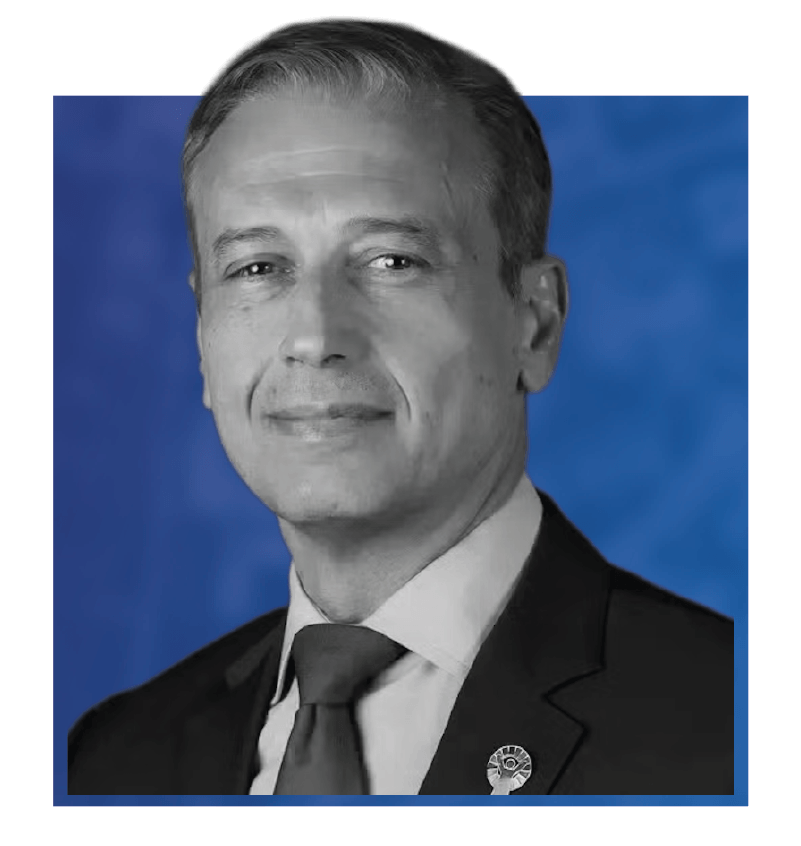
Dr. Moez Doraid
Regional Director for the Arab States, UN Women
Dr. Moez Doraid (Egypt) is the UN Women Regional Director for the Arab States.Dr. Doraid was UN Women’s Regional Director for the Arab States, ad interim, and the Director of Management and Administration at UN Women’s Headquarters between 1 July 2024 and 30 September 2025. Between May and November 2023, he served as UN Assistant Secretary General a.i. and UN Women Deputy Executive Director for UN Coordination, Partnerships, Resources and Sustainability, a.i. Dr. Doraid has held progressively responsible positions across the UN system over three decades working in Arab States, Asia, Africa, and at headquarters in New York. For much of the period 2019 -22, he served as UN Women’s Regional Director, a.i., for Arab States, then for East and Southern Africa. More recently, he served as UN Women’s Country Director, a.i., Afghanistan. Dr. Doraid has led the formulation and implementation of UN Women’s strategy to support Arab then East and Southern African countries in their emergency responses to and recovery from the COVID-19 pandemic. As Regional Director he prioritized support to countries in crisis and post-conflict recovery, including in Syria, Yemen, Libya, Iraq, Ethiopia, South Sudan, Somalia, and Mozambique.
Sessions by this speaker
Sunday, 2026-08-23
“Operationalizing Gender Perspectives in Humanitarian Response”
11:30 – 12:00
Lectures by this speaker
Sunday, 2026-08-23
“Operationalizing Gender Perspectives in Humanitarian Response”
11:30 – 12:00
Sunday, 2026-08-23
“Operationalizing Gender Perspectives in Humanitarian Response”
13:30 – 14:00
13:30 – 14:00
Lunch Break and Networking
14:00 – 15:00
“The Role of Humanitarian Diplomacy in a Changing Landscape: Navigating the Humanitarian Reset and the UN reform”
Ms. Bérangère Böell | United Nations Resident Coordinator for the UAE | United Arab Emirates
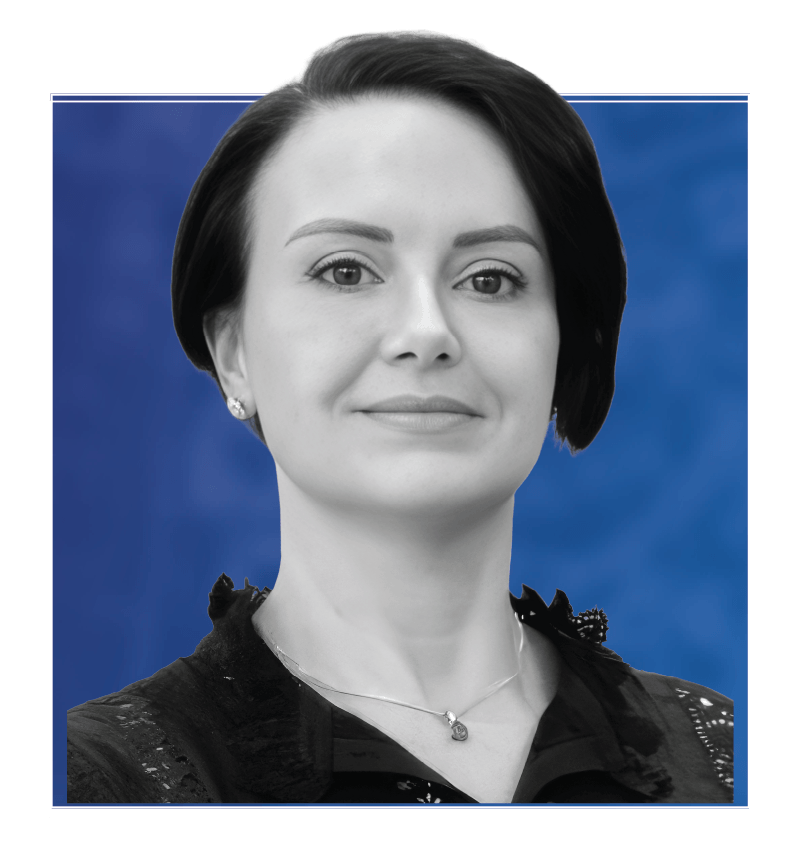
Ms. Bérangère Böell
United Nations Resident Coordinator for the UAE
Ms. Bérangère Böell, United Nations Resident Coordinator for UAE, of France brings 23 years of experience in international development and humanitarian cooperation. She held management and leadership positions within the UN for 19 years, developing strong skills in strategic planning, coordination, policy dialogue, emergency preparedness, risk management, advocacy and resource mobilization in the Middle East and Africa. She is a strong advocate of the 2030 Agenda and LNOB. Prior to her assignment as the UN RC for UAE, Ms. Böell served at UNFPA as Representative in Mozambique. She formerly led UNFPA Country Offices in DPRK, Libya and Morocco, promoting interagency collaboration and cooperation in several areas. She also served as UNFPA Regional Advisor in East and Southern Africa, developing strategic and innovative partnerships and mobilizing substantial resources for 21 countries of the region.
Sessions by this speaker
Sunday, 2026-08-23
“The Role of Humanitarian Diplomacy in a Changing Landscape: Navigating the Humanitarian Reset”
14:00 – 15:00
Lectures by this speaker
Sunday, 2026-08-23
“The Role of Humanitarian Diplomacy in a Changing Landscape: Navigating the Humanitarian Reset”
14:00 – 15:00
Sunday, 2026-08-23
“The Role of Humanitarian Diplomacy in a Changing Landscape: Navigating the Humanitarian Reset and the UN reform”
15:00 – 15:30
15:00 – 15:30
“Exploring Innovative Financing Approaches for Humanitarian Action”
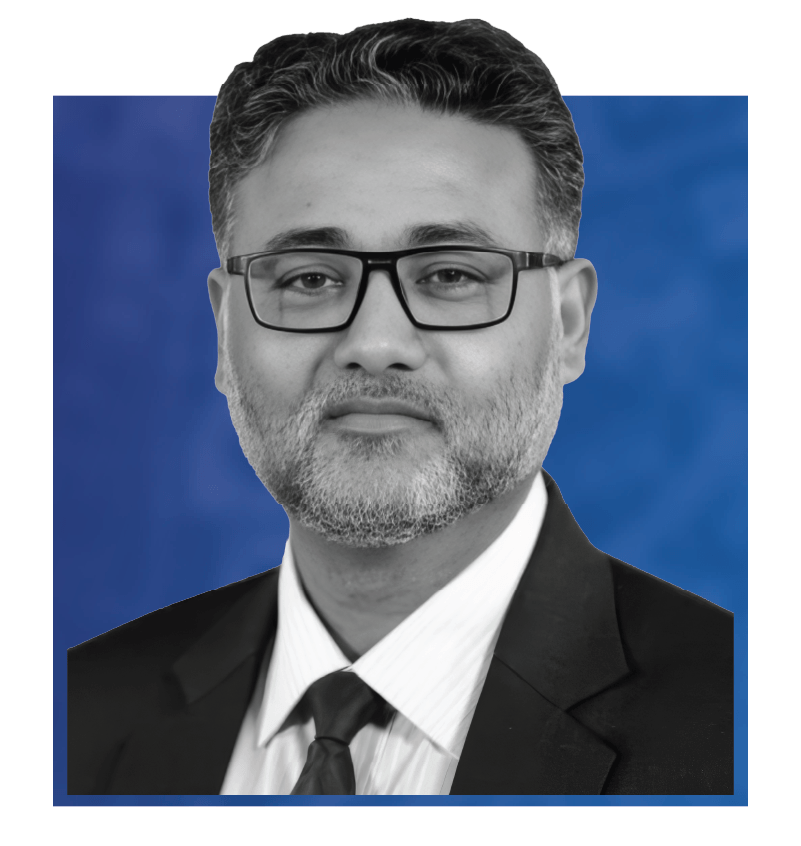
Dr. Adnan Aziz
Secretary-General & Chief Program Officer of the Global Islamic Finance Impact Program for Climate, Nature, and Development (GIFIP)
Dr Adnan Aziz is an internationally recognised Islamic finance and sustainable finance strategist with nearly three decades of experience across Islamic banking, investment structuring, capital markets, development finance, and institutional ecosystem building across the Middle East, Europe, Asia, and Africa. He has advised on and contributed to the structuring and development of multi-billion-dollar Islamic finance transactions, platforms, and institutional initiatives globally, including Islamic banking windows, investment platforms, sustainable finance structures, and blended finance ecosystems. Dr Aziz is particularly recognised for his work at the intersection of: Islamic sustainable finance, climate and nature finance, blended finance, sovereign and institutional capital mobilisation, and Global South investment ecosystems. He currently serves as the Secretary-General & Chief Program Officer of the Global Islamic Finance Impact Program for Climate, Nature, and Development (GIFIP) – a Global South-led platform focused on mobilising Islamic blended finance for climate, nature, and development impact across emerging markets and OIC geographies.
Lectures by this speaker
Sunday, 2026-08-23
“Exploring Innovative Financing Approaches for Humanitarian Action”
15:30 – 16:30
15:30 – 16:30
CLOSING AND CERTIFICATE DISTRIBUTION
Ms. Sajeda Shawa
Head of United Nations Office for the Coordination of Humanitarian Affairs (UN OCHA) Office in the UAE
Sajeda Shawa is a seasoned humanitarian leader with 20 years of experience in international humanitarian affairs, known for her unwavering commitment to crisis response, donor engagement, strategic partnerships and humanitarian diplomacy. A passionate Arab female advocate for communities affected by conflict, she brings deep regional expertise and a results-driven approach to mobilizing resources and amplifying impact across the humanitarian-development nexus. In February 2023, Ms. Shawa was appointed Head of the OCHA Office in the United Arab Emirates. In this capacity, she is responsible for strengthening humanitarian coordination, advancing humanitarian diplomacy, and integrating climate action and gender-responsive approaches—particularly the empowerment of women in humanitarian settings—into emergency response efforts. She also focuses on supporting national policies that elevate the role of innovation, technology, and artificial intelligence to better serve communities in need during humanitarian crises. Additionally, Ms. Shawa serves as a Board Member of the Dubai International Scientific Advisory Board (DISAB), which supports the Dubai International Humanitarian Aid and Development Conference (DIHAD) as well as an Advisory board member in the public policy school at the university of Sharjah, reinforcing her leadership in high-level humanitarian policy dialogue and strategic partnerships within the region and beyond. Prior to her current role, Ms. Shawa played a pivotal role in the Syria Crisis response at OCHA’s Regional Office, where she led donor relations and resource mobilization efforts. She served concurrently as Special Advisor to the UN Assistant Secretary-General and Regional Humanitarian Coordinator for the Syria Crisis, providing strategic counsel on donor engagement, advocacy, and regional humanitarian outreach. Before joining the United Nations, Ms. Shawa worked with the European Commission’s Directorate-General for European Civil Protection and Humanitarian Aid Operations (ECHO), where she managed field operations and humanitarian programs in Iraq, Egypt, Libya, Jordan, and Syria. She later spearheaded ECHO’s humanitarian outreach strategy to the Gulf Cooperation Council countries, strengthening engagement with key actors in Saudi Arabia, the UAE, Kuwait, and Qatar. Earlier in her career, she contributed to USAID programs focused on humanitarian and development coordination with a specific focus on private sector engagement. Beyond her official roles, Ms. Shawa is an active voice for women’s empowerment and social impact. She is a certified Board Director (IFC, 2022) and was featured among 45 Arab women role models in Empowering Through Healthy Living – Jordan 2020. She serves on the board of the International Federation of Business and Professional Women (BPW) and is a member of its Human Rights Committee. Additionally, she contributes as a mentor to several leadership and youth development initiatives, including the Global Thinkers Forum’s Athena Mentorship Program and BPW Jordan’s HIKMA Power Meetups. Ms. Shawa is a graduate of Harvard Kennedy School’s Executive Education Program, with specializations in Public Leadership, Leadership and Character in Uncertain Times, and Leadership through Storytelling and Action. She holds a Master’s degree in International Studies, with a focus on humanitarian landscape in the Gulf region post-Arab Spring, and a Bachelor’s degree in English Language and Literature. A proud mother of teenagers, she is deeply committed to empowering youth and advancing global citizenship.


